Updated: Apr 15, 2026
Published: Aug 30, 2023
Medical Team
2 min read
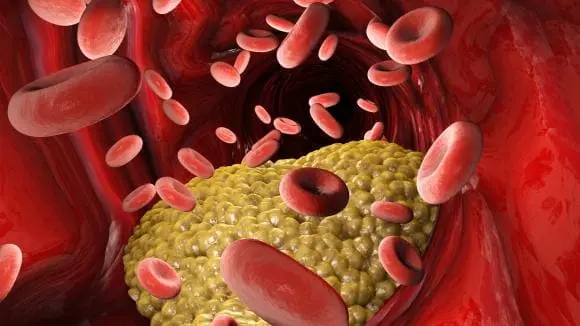
Triglycerides are a type of fat found in the blood. A triglycerides test is a blood test that measures the amount of triglycerides in the blood. This test is often used to help assess a person’s risk for heart disease, as high levels of triglycerides can increase the risk of heart disease and stroke.
Pre-test preparation for a triglycerides test: Typically involves fasting for 9-12 hours before the blood sample is taken. This means that you should not eat or drink anything other than water during this time.
The testing method : Typically involves a blood test. The blood sample is analyzed in a lab to measure the amount of triglycerides present.
Common symptoms that may prompt a healthcare provider to prescribe a triglycerides test: Include obesity, high blood pressure, or a family history of heart disease. Other symptoms may include abdominal pain, fatigue, or weakness.
Diagnosis: A high level of triglycerides in the blood can be diagnosed by a healthcare provider based on the results of the blood test, as well as a patient’s symptoms and medical history. High levels of triglycerides can be caused by a variety of factors such as obesity, diabetes, and metabolic syndrome, or by certain medications and medical conditions such as hypothyroidism, kidney disease and certain genetic disorders.
Reference range: The reference range for triglycerides levels in the blood is typically less than 150 mg/dL. However, it’s important to note that this can vary based on the lab and the specific test used.
Normal values: A normal value for triglycerides is considered to be less than 150 mg/dL. However, it’s important to note that optimal levels may be lower for certain individuals, such as those at high risk of heart disease.
Medical disclaimer: It’s also important to consult with a healthcare professional to interpret test results and to understand how they may be affected by individual factors such as diet, medications, medical history and other lab test results.