Updated: Apr 15, 2026
Published: Nov 03, 2023
Medical Team
3 min read
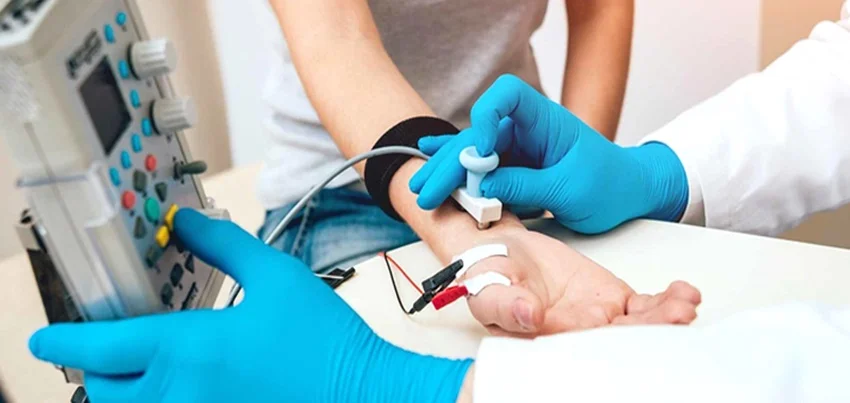
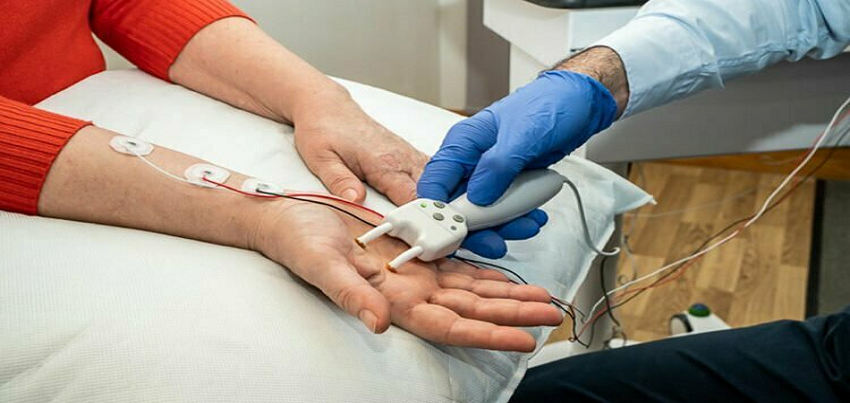
Electromyography (EMG) is a diagnostic test used to evaluate the electrical activity of muscles and nerves. The test is conducted by inserting a small needle electrode into the muscle tissue, which measures the electrical signals produced by the muscle. These signals are then recorded and analyzed by a machine to provide information about the functioning of the muscle and nerve tissue.
Test Preparation: There is typically no special preparation required for an EMG. However, patients may be asked to avoid caffeine or certain medications prior to the test. They may also be asked to wear loose clothing that allows easy access to the muscles being tested.
Common Symptoms for ordering the test: An EMG may be ordered for a variety of reasons, such as:
Muscle weakness or atrophy Numbness or tingling in the extremities Pain or cramping in the muscles Suspected nerve damage or injury Suspected muscle or nerve disorders, such as muscular dystrophy or multiple sclerosis
Time taken for the test: The test itself typically takes between 30 minutes to an hour to complete, depending on the number of muscles being tested. In some cases, the test may be prolonged for several hours or even days if a patient is being monitored for a specific condition.
Results Interpretations: The results of an EMG are interpreted by a trained healthcare professional, such as a neurologist or physiatrist. The results may show abnormalities in muscle or nerve activity, such as decreased or increased muscle activity, or abnormal patterns of electrical activity. In some cases, the results may be inconclusive or require further testing. The healthcare professional will use the results of the EMG, along with other medical information and test results, to make a diagnosis and develop a treatment plan for the patient.
Health checkups, wellness, and corporate health are all areas where EMG testing may be used. Regular health checkups can help detect early signs of muscle or nerve disorders, which may benefit from early intervention and treatment. Wellness programs may incorporate EMG testing as a way to assess muscle function and identify areas for improvement. In the corporate health setting, EMG testing may be used to evaluate workers who perform repetitive or strenuous tasks, such as assembly line workers or construction workers. By identifying early signs of muscle or nerve damage, employers can take steps to prevent further injury and promote worker safety.
In conclusion, electromyography is a diagnostic test used to evaluate the electrical activity of muscles and nerves. The test is conducted by inserting a small needle electrode into the muscle tissue, which measures the electrical signals produced by the muscle. EMG testing may be used to diagnose muscle and nerve disorders, evaluate muscle function, and monitor the effects of treatment. The test typically takes between 30 minutes to an hour to complete, depending on the number of muscles being tested. Results are interpreted by a trained healthcare professional and used to make a diagnosis and develop a treatment plan. EMG testing may be incorporated into health checkups, wellness programs, and corporate health initiatives as a way to promote early detection and prevention of muscle and nerve disorders.