“Comprehensive Guide to CT Scan of Abdomen and Pelvis: Procedure, Benefits, and Applications
Introduction:
A CT scan of the abdomen and pelvis is a valuable diagnostic tool used to evaluate various abdominal and pelvic conditions. This comprehensive guide provides insights into the importance, procedure, benefits, and applications of CT scans in assessing abdominal and pelvic health.
Importance of CT Scan of Abdomen and Pelvis:
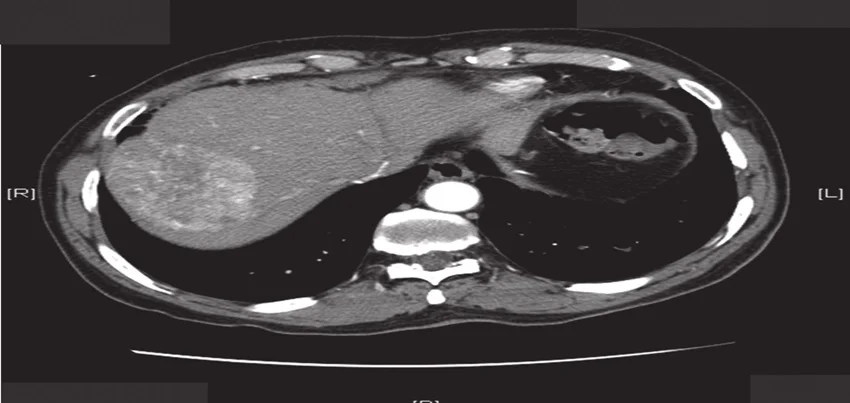
CT scans of the abdomen and pelvis play a crucial role in diagnosing and evaluating a wide range of medical conditions affecting these regions. From detecting kidney stones and appendicitis to staging tumors and assessing traumatic injuries, CT scans provide detailed images that aid in accurate diagnosis and treatment planning.
Procedure for CT Scan of Abdomen and Pelvis:
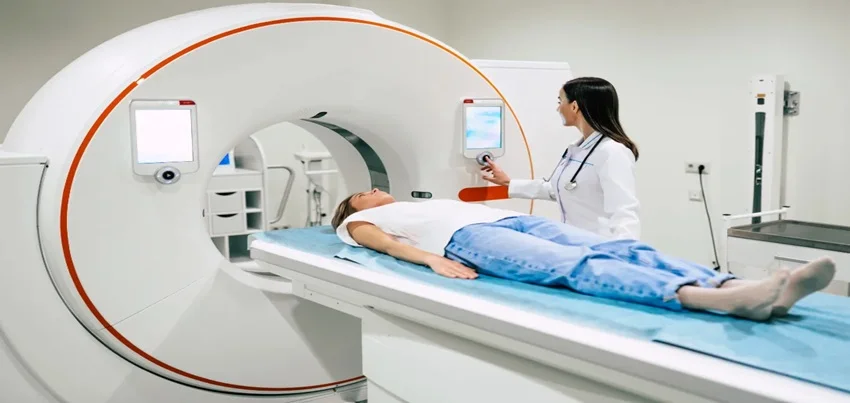
Before the CT scan, patients may be required to fast for a few hours and refrain from drinking fluids to ensure optimal imaging quality. During the procedure, the patient lies on a table that moves through a doughnut-shaped scanner. Contrast material may be injected intravenously to enhance visualization of certain structures. Patients are advised to remain still during the scan to obtain clear images.
Precautions and Preparation:
Patients should inform their healthcare provider about any allergies, pre-existing medical conditions, or medications they are taking, especially if they have kidney problems or diabetes. It’s essential to follow all instructions provided by the healthcare team regarding fasting, fluid intake, and medication adjustments before the scan.
Results Interpretation:
After the CT scan, radiologists interpret the images to identify any abnormalities or signs of disease. The results are typically shared with the referring physician, who will discuss the findings with the patient and recommend further diagnostic tests or treatment options if necessary.
CT Scan of Abdomen and Pelvis vs. MRI:
While both CT scans and MRI provide detailed images of the abdomen and pelvis, they use different imaging techniques. CT scans use X-rays to create cross-sectional images, making them ideal for detecting bone abnormalities and evaluating solid organs. On the other hand, MRI uses magnetic fields and radio waves to produce images, offering superior soft tissue contrast and avoiding ionizing radiation.
Benefits of CT Scan of Abdomen and Pelvis:
- Rapid and non-invasive imaging
- High-resolution images for accurate diagnosis
- Versatile imaging modality suitable for various conditions
- Effective in detecting abnormalities in bones, organs, and soft tissues
- Helps guide treatment decisions and surgical planning
Applications of CT Scan of Abdomen and Pelvis:
- CT scans of the abdomen and pelvis are used for a wide range of diagnostic purposes, including:
- Detection of kidney stones, appendicitis, and gastrointestinal issues
- Staging of tumors and assessment of cancer spread
- Evaluation of traumatic injuries and internal bleeding
- Diagnosis of inflammatory conditions and infectious diseases
- Assessment of hernias, bowel obstructions, and pelvic floor disorders
Risks Associated with CT Scan of Abdomen and Pelvis:
While CT scans are generally safe, they expose patients to ionizing radiation, which may increase the risk of cancer, particularly with repeated exposure. However, the benefits of accurate diagnosis and timely treatment usually outweigh the potential risks, especially in urgent or critical situations.
Frequency of CT Scan of Abdomen and Pelvis:
The frequency of CT scans depends on the individual’s medical history, symptoms, and specific condition being evaluated. Healthcare providers consider the necessity of repeat scans based on the benefits versus risks for each patient, aiming to minimize radiation exposure while ensuring accurate diagnosis and optimal patient care.
CT Scan of Abdomen and Pelvis with or without Contrast:
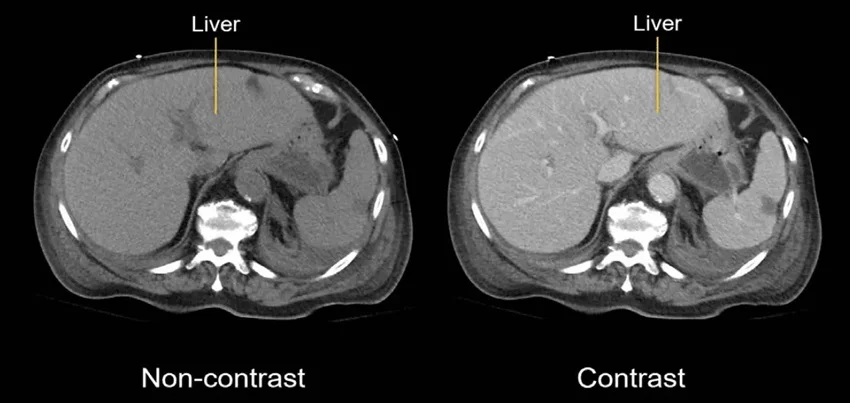
Contrast material may be used during CT scans to enhance visualization of certain structures, such as blood vessels or tumors. The decision to use contrast depends on the specific diagnostic objectives and patient factors. Patients with allergies or kidney problems may undergo scans without contrast to reduce the risk of adverse reactions.
Difference Between CT Scan and Ultrasound for Abdomen and Pelvis:
While both CT scans and ultrasound provide imaging of the abdomen and pelvis, they use different technologies and have distinct advantages. CT scans offer detailed cross-sectional images suitable for evaluating complex structures and detecting small abnormalities. Ultrasound, on the other hand, uses sound waves and is often preferred for its real-time imaging capabilities, lack of ionizing radiation, and suitability for certain conditions such as pregnancy.
Conclusion:
CT scans of the abdomen and pelvis are invaluable tools in modern medicine, enabling accurate diagnosis and treatment of a wide range of medical conditions. With advancements in technology and imaging techniques, CT scans continue to play a crucial role in improving patient outcomes and enhancing healthcare delivery. However, it’s essential for healthcare providers to weigh the benefits and risks of CT scans and ensure appropriate utilization to maximize patient safety and well-being.”