By Dr. Suraj Patil, MBBS, MD Medicine (Gold Medalist), DM Cardiology (AIIMS New Delhi)
As an interventional cardiologist, I have witnessed firsthand the devastating impact of diabetes on patients’ lives. One of the most concerning trends I see today is the rise of prediabetes, a condition that signals an imminent risk of developing type 2 diabetes if left unchecked. Prediabetes is defined by elevated blood glucose levels that aren’t high enough to qualify as diabetes but are certainly above normal. This is a crucial warning sign that we must take seriously to prevent the onset of full-blown diabetes and its associated complications.
The Global Impact of Prediabetes
The rise of diabetes worldwide is alarming, with approximately 387 million people currently living with the condition. Prediabetes often serves as a precursor to diabetes, and the consequences of ignoring it can be severe. If left unmanaged, prediabetes can lead to an increased risk of cardiovascular diseases, stroke, kidney failure, and other life-threatening conditions.
Diagnosing Prediabetes: The Vital Tests
Early detection of prediabetes is crucial for effective intervention. The following tests are commonly used to diagnose prediabetes:
– HbA1C Test: This test measures your average blood sugar level over the past 2-3 months. Prediabetes is indicated by levels between 5.7% and 6.4%.
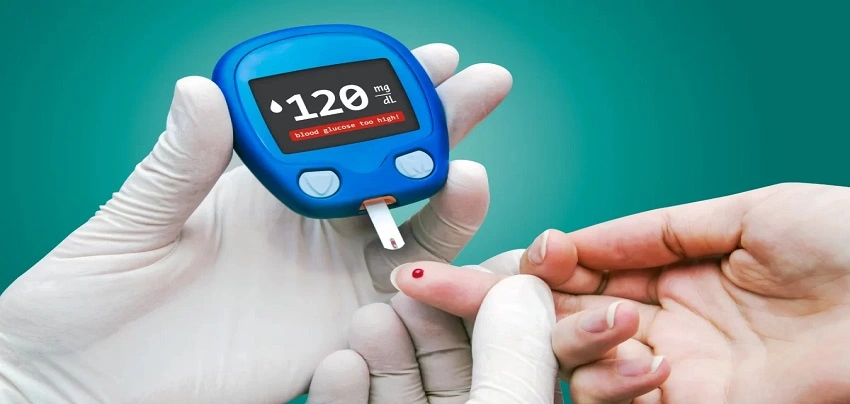
– Fasting Blood Sugar Test: This test checks your blood sugar levels after an overnight fast. Prediabetes is diagnosed if the level is between 100-125 mg/dL.
– Glucose Tolerance Test: In this test, you drink a sugary solution, and your blood sugar levels are measured after two hours. A level between 140-199 mg/dL suggests prediabetes.
The Risk Factors of Prediabetes
Prediabetes does not occur in isolation. Several risk factors contribute to its development:
– Genetics and Family History: If you have a family history of diabetes, your risk increases significantly.
– Ethnicity: African Americans, Hispanics, and Asians are more prone to developing prediabetes compared to whites.
– Age: The risk of prediabetes increases with age, particularly after 45, though it is becoming more common among younger adults and even children.
– Lifestyle Factors: Physical inactivity and weight gain are significant contributors to the development of prediabetes.
The Long-Term Consequences of Prediabetes
If prediabetes is ignored, it can lead to severe health complications, including:
– Cardiovascular Disease (CVD): Individuals with prediabetes are at a higher risk of developing CVD.
– Hypertension: High blood pressure often accompanies prediabetes.
– Increased Cancer Risk: Prediabetes is linked to a 15% increase in the risk of various cancers, including stomach, colorectal, liver, and breast cancer.
– Alzheimer’s Disease: Emerging research suggests a connection between prediabetes and an increased risk of Alzheimer’s disease.
The Path to Prevention: Steps to Reverse Prediabetes
The good news is that prediabetes is reversible with lifestyle changes. Early intervention is key to preventing the progression to diabetes. Here are some strategies I recommend:
1. Healthy Diet: Focus on a diet rich in fruits, vegetables, and whole grains while reducing sugar and fat intake.
2. Regular Physical Activity: Engage in at least 30-45 minutes of moderate-intensity exercise five days a week. Activities like brisk walking, jogging, and yoga are excellent choices.
3. Weight Management: Maintaining a healthy weight is crucial. Even modest weight loss can significantly reduce your risk of developing diabetes.
The Role of Regular Screening and Follow-Up
Regular screening for prediabetes is essential, especially for individuals with risk factors. Early diagnosis and continuous monitoring can help in reversing prediabetes. I advise that annual screenings and follow-up consultations with healthcare professionals are vital for those at risk or already diagnosed with prediabetes.
Conclusion
Prediabetes is a serious health condition that should serve as a wake-up call for individuals at risk of developing type 2 diabetes. With proactive measures, including lifestyle modifications, regular screenings, and professional guidance, it is possible to prevent or delay the onset of diabetes. By addressing prediabetes head-on, we can ensure a healthier future.