



Diseases

Aids Awareness

Updated: Apr 15, 2026 Published: Aug 06, 2022 Medical Team 2 min read

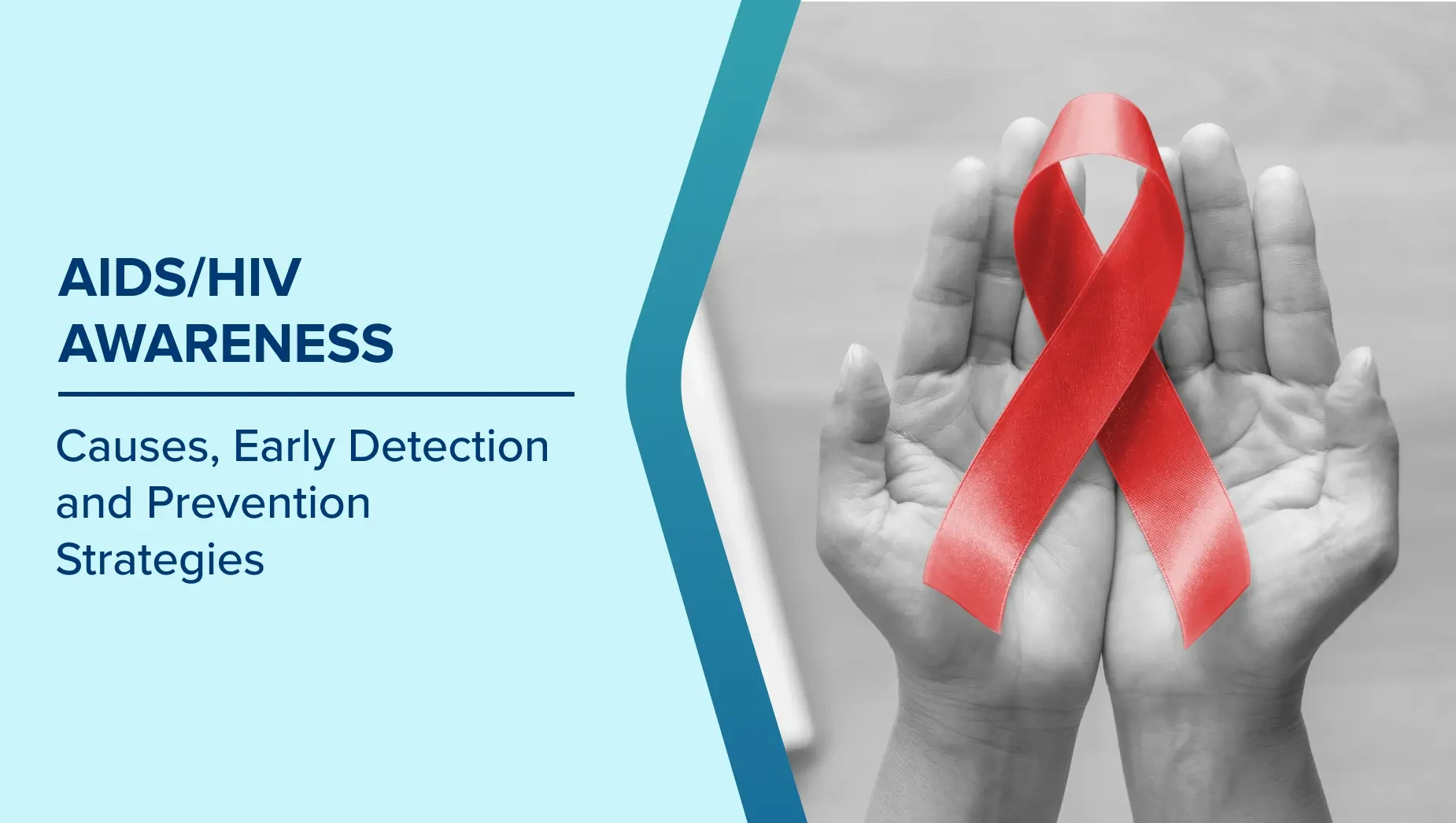
    AIDS (Acquired Immune Deficiency Syndrome) is a deadly disease caused by the human immunodeficiency virus (HIV) that gradually destroys the immune system of the infected person. HIV makes it difficult for the body to fight infections. Once the HIV virus enters the body the immune system breaks down and all diseases, viruses, and infections can attack the person easily.

    Symptoms of HIV AIDS?

    The first signs of an HIV infection may be swollen glands and symptoms of flu. These may come and go a month or two after the infection. More severe symptoms may appear months or even years later.

    How HIV AIDS is transmitted?

    The virus CAN be transmitted from person-to-person through sexual contact, blood or, more often, by needle sharing, Mother to the child a pregnant woman can give the virus to the fetus through their shared blood circulation, or a nursing mother through breast milk


    The virus CANNOT be transmitted by Shaking hands, Hugging & kissing, Sneezing

    Touching unbroken skin or Using the same toilet Sharing personal things like towels & clothing

    Tips to stay healthier

    Eat fresh fruits and vegetables, whole grains, and nonfat protein. Healthy foods keep you strong, give energy, and support the immune system.

    1. Immunization may help people with weakened immune systems to prevent infections such as pneumonia and the flu.

    2. Take care of pets and animals in your neighborhood. Animal carrying parasites

    may cause infections from people who are HIV-positive.

    3. Avoid unprotected sex.

    4. Never share contaminated needles, syringes, and other injecting equipment and drug solutions when Injecting drugs.

    5. Never take unsafe injections or blood transfusions, or undergo medical procedures that involve unsterile cutting or piercing.

    6. Ensure sterilized needles if you are getting a tattoo.

    Frequently Asked Questions

    The first signs of an HIV infection may be swollen glands and symptoms of flu. These may come and go a month or two after the infection. More severe symptoms may appear months or even years later.

    The virus CAN be transmitted from person-to-person through sexual contact, blood or, more often, by needle sharing, Mother to the child a pregnant woman can give the virus to the fetus through their shared blood circulation, or a nursing mother through breast milk

    Share this article
    MT
    Written by

    Medical Team

    Link copied!

    Hi there 👋

    Need help? Kindly tell us your requirement.

    New Conversation

    We typically reply in a few minutes