




Diet & Nutrition

Calcium Rich Food Items 

Updated: Apr 15, 2026 Published: Jun 26, 2024 Medical Team 4 min read

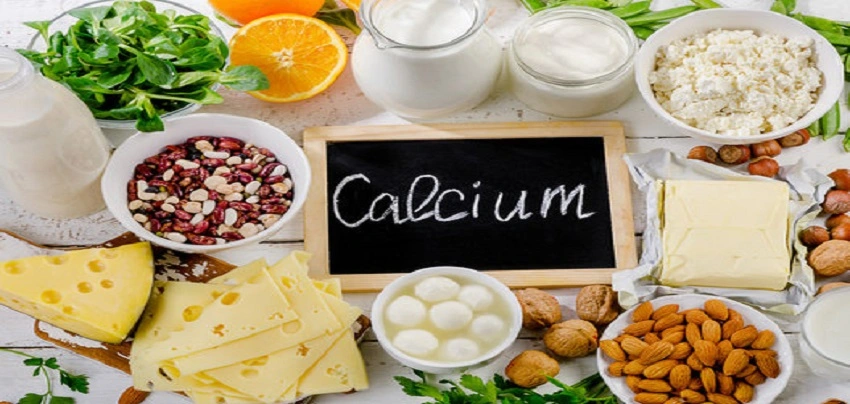
    Calcium is a vital mineral for bone health, nerve function, and muscle activity. In India, there are numerous calcium-rich foods, fruits, vegetables, and cereals that can help meet dietary needs. Here’s a detailed list of these calcium-rich sources:

    Dairy and Dairy Products

    1. Milk:
    o Cow’s Milk: A traditional staple, rich in calcium.
    o Buffalo Milk: Higher in fat and calcium content compared to cow’s milk.
    2. Cheese:
    o Paneer: A widely used cheese in Indian cuisine, high in calcium.
    o Cheddar, Mozzarella, Swiss: Other cheese varieties available in India, also high in calcium.
    3. Yogurt (Dahi):
    o Plain Yogurt: Provides a significant amount of calcium.
    o Greek Yogurt: Thick and protein-rich, often contains more calcium.
    4. Buttermilk (Chaas):
    o A common drink in Indian households, made from diluted yogurt, also provides calcium.

    Vegetables

    1. Leafy Greens:
    o Spinach (Palak): Rich in calcium but contains oxalates, which can inhibit calcium absorption.
    o Fenugreek Leaves (Methi): High in calcium and commonly used in Indian cooking.
    o Amaranth Leaves (Chaulai): Good source of calcium and other nutrients.
    o Drumstick Leaves (Moringa): Extremely high in calcium and used in various Indian dishes.
    2. Cruciferous Vegetables:
    o Broccoli: Contains calcium and is a great addition to the diet.
    o Kale: Becoming more popular in Indian diets, offers high calcium content.
    3. Others:
    o Okra (Bhindi): Contains moderate levels of calcium.
    o Sweet Potato Leaves: Though not commonly consumed, they are high in calcium.

    Fruits

    While fruits generally contain less calcium than dairy and vegetables, some provide a decent amount:

    1. Oranges:
    o Fresh oranges and orange juice, especially fortified versions, provide calcium.
    2. Figs (Anjeer):
    o Dried figs are an excellent source of calcium and can be consumed as a snack.
    3. Kiwi:
    o Contains moderate levels of calcium along with other essential nutrients.
    4. Mulberries:
    o These berries are not only rich in calcium but also in vitamins and antioxidants.

    Cereals and Grains

    1. Ragi (Finger Millet):
    o A traditional staple in southern India, exceptionally high in calcium. Commonly used in porridge, breads, and other dishes.
    2. Amaranth (Rajgira):
    o Rich in calcium and used in traditional Indian sweets and snacks.
    3. Sorghum (Jowar):
    o Contains good levels of calcium and is used in making rotis and other dishes.
    4. Teff:
    o Although less common, it’s gaining popularity for its high calcium content.

    Legumes and Pulses

    1. Chickpeas (Kabuli Chana):
    o A good source of calcium and widely used in Indian dishes like chana masala.
    2. Lentils (Masoor Dal):
    o Provide a modest amount of calcium along with high protein content.
    3. Soybeans:
    o Soy products like tofu and soy milk are high in calcium and used in various vegetarian dishes.
    4. Black-eyed Peas (Lobia):
    o Contains a good amount of calcium and is commonly used in Indian cuisine.

    Nuts and Seeds

    1. Almonds (Badam):
    o A great source of calcium, can be eaten raw or added to dishes.
    2. Sesame Seeds (Til):
    o Extremely rich in calcium and used in sweets like til ladoo and tahini.
    3. Chia Seeds:
    o Offer a high amount of calcium and can be added to smoothies and yogurt.
    4. Flaxseeds:
    o Provide calcium and are often used in Indian cooking and baking.

    Fortified Foods

    1. Fortified Plant-Based Milks:
    o Soy milk, almond milk, and oat milk are often fortified with calcium.
    2. Fortified Breakfast Cereals:
    o Various brands fortify cereals with calcium, providing a convenient way to boost intake.
    3. Fortified Juices:
    o Some fruit juices, particularly orange juice, are fortified with calcium.

    Traditional Indian Foods

    1. Sesame Seed Balls (Tilgul Ladoo):
    o Made from sesame seeds and jaggery, these are not only traditional sweets but also high in calcium.
    2. Ragi Mudde:
    o A popular dish in South India made from ragi flour, providing substantial calcium.
    3. Dhokla:
    o Made from fermented rice and chickpeas, this Gujarati snack is also a good source of calcium.

    Incorporating a variety of these calcium-rich foods, fruits, and vegetables into your diet can help meet your nutritional needs. Whether through traditional dishes or modern recipes, ensuring a diverse intake of calcium sources is key to maintaining bone health and overall well-being.

    Frequently Asked Questions

    1. Milk:o Cow’s Milk: A traditional staple, rich in calcium.o Buffalo Milk: Higher in fat and calcium content compared to cow’s milk.2. Cheese:o Paneer: A widely used cheese in Indian cuisine, high in calcium.o Cheddar, Mozzarella, Swiss: Other cheese varieties available in India, also high in calcium.3. Yogurt (Dahi):o Plain Yogurt: Provides a significant amount of calcium.o Greek Yogurt: Thick and protein-rich, often contains more calcium.4. Buttermilk (Chaas):o A common drink in Indian households, made from diluted yogurt, also provides calcium.

    1. Ragi (Finger Millet):o A traditional staple in southern India, exceptionally high in calcium. Commonly used in porridge, breads, and other dishes.2. Amaranth (Rajgira):o Rich in calcium and used in traditional Indian sweets and snacks.3. Sorghum (Jowar):o Contains good levels of calcium and is used in making rotis and other dishes.4. Teff:o Although less common, it’s gaining popularity for its high calcium content.

    1. Chickpeas (Kabuli Chana):o A good source of calcium and widely used in Indian dishes like chana masala.2. Lentils (Masoor Dal):o Provide a modest amount of calcium along with high protein content.3. Soybeans:o Soy products like tofu and soy milk are high in calcium and used in various vegetarian dishes.4. Black-eyed Peas (Lobia):o Contains a good amount of calcium and is commonly used in Indian cuisine.

    1. Almonds (Badam):o A great source of calcium, can be eaten raw or added to dishes.2. Sesame Seeds (Til):o Extremely rich in calcium and used in sweets like til ladoo and tahini.3. Chia Seeds:o Offer a high amount of calcium and can be added to smoothies and yogurt.4. Flaxseeds:o Provide calcium and are often used in Indian cooking and baking.

    1. Fortified Plant-Based Milks:o Soy milk, almond milk, and oat milk are often fortified with calcium.2. Fortified Breakfast Cereals:o Various brands fortify cereals with calcium, providing a convenient way to boost intake.3. Fortified Juices:o Some fruit juices, particularly orange juice, are fortified with calcium.

    1. Sesame Seed Balls (Tilgul Ladoo):o Made from sesame seeds and jaggery, these are not only traditional sweets but also high in calcium.2. Ragi Mudde:o A popular dish in South India made from ragi flour, providing substantial calcium.3. Dhokla:o Made from fermented rice and chickpeas, this Gujarati snack is also a good source of calcium.


    Share this article
    MT
    Written by

    Medical Team

    Link copied!

    Hi there 👋

    Need help? Kindly tell us your requirement.

    New Conversation

    We typically reply in a few minutes