Updated: Apr 14, 2026
Published: Jul 22, 2022
Medical Team
2 min read
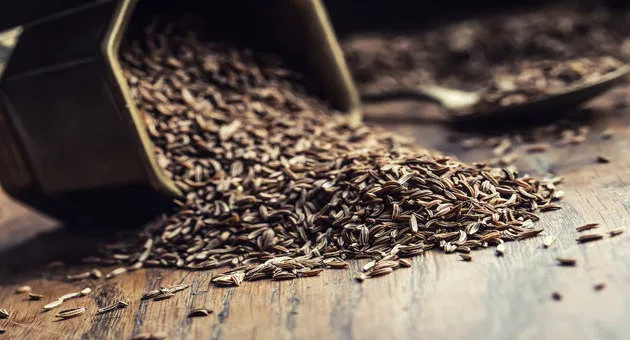
Jeera or Cumin (Cuminum cyminum) is a popular culinary spice used for their special aromatic effect. It is available in different appearances such as anise, fennel, and black cumin and the difference between them is their characteristics. Cumin has proved several benefits with the help of the availability of nutrients.
Cumin consists of a chemical compound known as cumin aldehyde. The compound has shown different effects such as anti-platelet, antibacterial, anti-fungal, anti-diabetic, anti-Parkinsons, etc. It also activates salivary glands in the mouth and facilitates the primary digestion of food and produce a carminative effect. The seeds are also an excellent source of dietary fibers.
1) Iron for anemia: Cumin is very rich in iron i.e above 66mg in each 100gms which is more than 5 times the daily requirement of iron for an adult. Iron is an important component of hemoglobin.
2) Lactation: As cumin is rich in iron, it is very good for lactating mothers as well as a woman undergoing menses or who are pregnant. Cumin also has a remarkable amount of calcium
3) Skin disorders: Vitamin E is present in abundance in cumin and thus it keeps the skin young and glowing. The essential oils present in it have disinfectant and antifungal properties
4) Antioxidant effects: The cumin oils have high antioxidant activity which protects your cells against free radicals.
5) Antimicrobial effects: The antimicrobial action of cumin both oil and aqueous has assessed against a wide range of pathogenic gram-positive and gram-negative microbial strains. Cumin has shown anti-fungal activity against food, animal, soil, and human pathogens and yeasts.
6) Antidiabetic effects: Oral administration of cumin has shown the hypoglycaemic effect in studies conducted. It is also known to decrease cholesterol, triglycerides, and phospholipids.
7) Immunomodulatory effects: Cumin has proved its curable role in stress-induced immunomodulation.
Besides the above effects, cumin is traditionally used for reducing inflammation, increasing urination, preventing gas, and suppressing muscle spasms. It is also used for the treatment of toothache, diarrhea, and epilepsy.
Irrespective of the useful and curable effects of cumin, overconsumption can always lead to side effects such as dermatitis, respiratory reactions, low blood sugar levels, increased risk of bleeding and liver cancer