






New Conversation
We typically reply in a few minutes
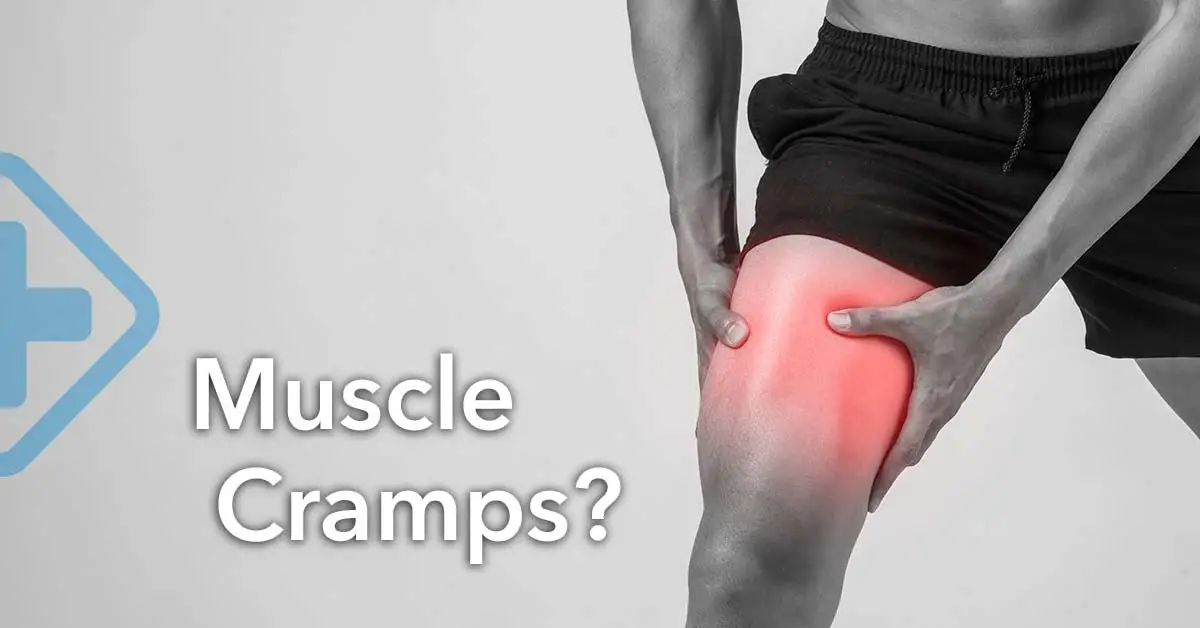


When an entire muscle or a muscle group cramps together, they are defined as true cramps. These are usually due to the vigorous use of muscles and muscle fatigue caused by performing an activity that one is usually not habituated to Sports injuries and activities involving hard labor are good examples of true cramps. Rest cramps are also true cramps. These are very common, especially in older adults. Because of staying at rest, the body reacts by having a rest cramp. Dehydration also causes true cramps.
The name tetany comes from the effect of the toxin named tetanus on the body’s nerves. First, all of the nerve cells in the body are activated. Then, this activity stimulates the muscles. This results in a tetany cramp. Tetanic cramps are sometimes not very different from true cramps. There are similarities in the causes and symptoms.
A prolonged state of shortened or tightened tissue is defined as a contracture. These are more rare forms of cramps because these usually don’t really go away. The closest example of contracture is the feeling of tightness in the body parts when one starts to exercise initially. Now, imagine that the feeling of tightness is not gone and lingers on. That is a contracture. There are many causes for contractures, including nervous disorders, inflammation disorders, trauma, and inherited disorders, such as muscular dystrophy.