In today’s fast-paced, sedentary lifestyle, health concerns related to obesity have gained significant attention. But while we often talk about diabetes, heart disease, and hypertension in connection with obesity, one lesser-discussed but equally critical area is potency or sexual health, especially in men.
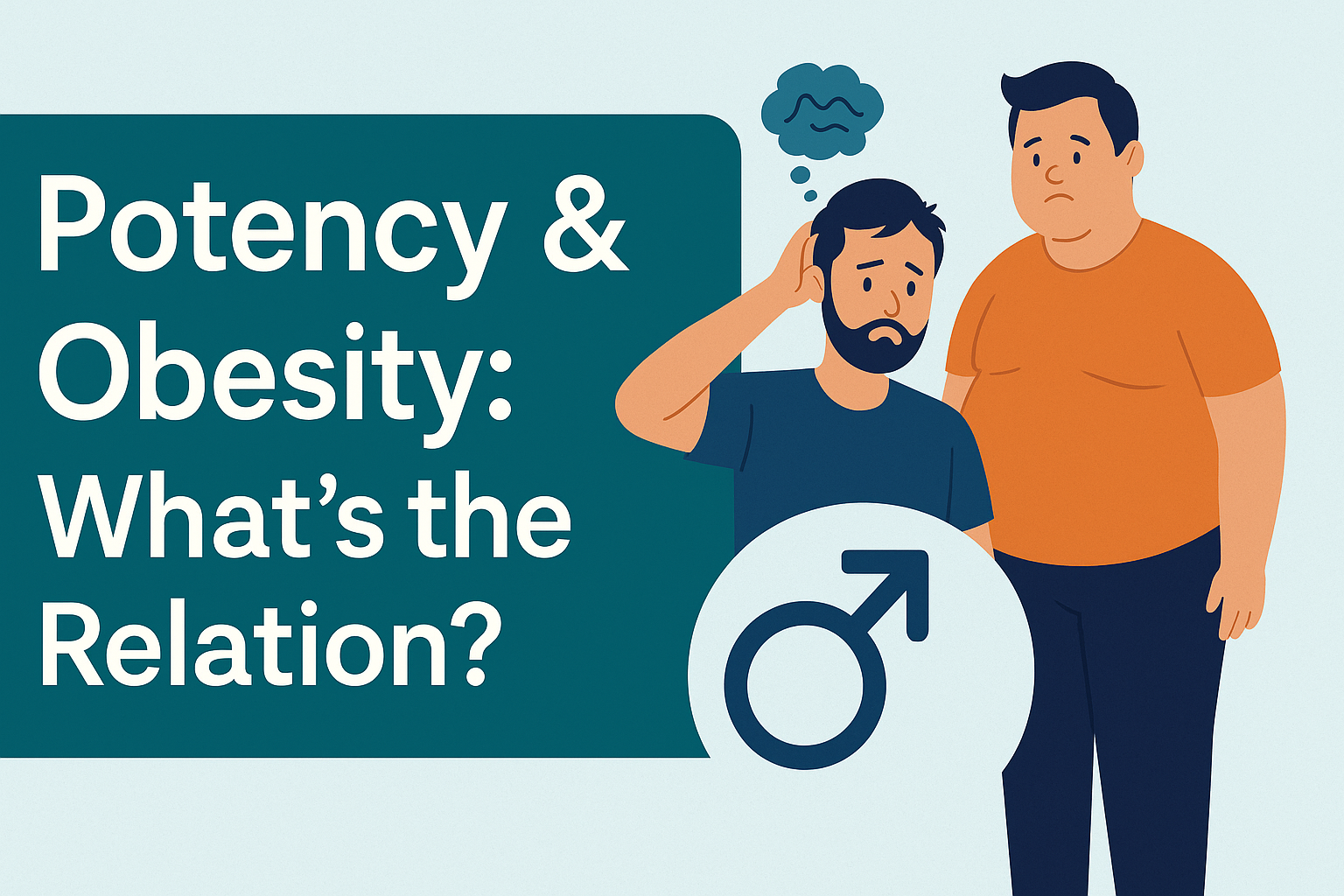
Is there a direct relationship between obesity and potency? The answer is a resounding yes—and it affects both physical and psychological aspects of sexual performance.
🚨 Look Beyond the Scales: Obesity Is More Than Just Extra Weight
Obesity is not just about the number on the weighing scale. It’s a metabolic disorder that triggers a chain reaction of hormonal imbalances, inflammation, and impaired blood circulation—all of which can directly impact sexual performance, libido, and reproductive health.
Let’s unpack this further.
🧠 The Science Behind Obesity & Potency
1. Hormonal Disruption
Obesity leads to decreased testosterone levels in men and increased estrogen levels due to the activity of aromatase enzyme in fat tissue. Testosterone is crucial for:
Libido (sexual desire)
Erectile function
Sperm production
A drop in testosterone levels can lead to erectile dysfunction (ED), low sex drive, and infertility.
2. Impaired Blood Flow
Erection is a vascular event, heavily dependent on healthy blood flow. Excess fat, especially visceral fat, contributes to atherosclerosis (narrowing of blood vessels), increasing the risk of ED.
3. Psychological Impact
Obesity is often associated with:
Poor self-image
Low confidence
Depression and anxiety
These psychological factors can create a mental barrier to arousal and performance, compounding the physiological issues.
4. Insulin Resistance & Metabolic Syndrome
Obese individuals are more prone to insulin resistance, which contributes to type 2 diabetes—a leading cause of erectile dysfunction due to nerve and blood vessel damage.
📊 Key Facts & Stats
Obese men are 2.5 times more likely to experience erectile dysfunction.
Studies have shown weight loss improves testosterone levels and sexual function.
Even a 10% reduction in weight can significantly improve potency.
🧬 Is This Just a Male Issue?
No. While much of the focus is on male sexual health, obesity also impacts female reproductive health:
Hence, the potency-obesity connection is not gender-exclusive.
💪 What Can Be Done?
1. Weight Management
Adopt a sustainable and balanced approach to diet and exercise. Even moderate weight loss improves sexual health.
2. Medical Checkups
Get screened for hormonal imbalances, diabetes, and cardiovascular risks. Functional tests and health checks (offered at PrognoHealth) can detect underlying issues early.
3. Lifestyle Modifications
4. Professional Support
Seek help from andrologists, urologists, or endocrinologists for targeted interventions.
🧘♂️ Corporate Wellness Takeaway
In a corporate environment, stress, sedentary jobs, and unhealthy snacking are silent culprits behind obesity and declining vitality. By promoting regular health checks and lifestyle awareness at the workplace, companies can help employees improve not only their productivity but also their quality of life.
At PrognoHealth, we believe that sexual health is health. Let’s not treat it as a taboo. Instead, let’s educate, empower, and encourage healthy living—for the body and the mind.
✅ Conclusion: Time to Act
Obesity doesn’t just weigh on your heart and joints; it weighs down your confidence, hormones, and sexual well-being. But the good news? It’s reversible. With awareness, medical support, and the right lifestyle changes, you can take back control of your health—inside and out.