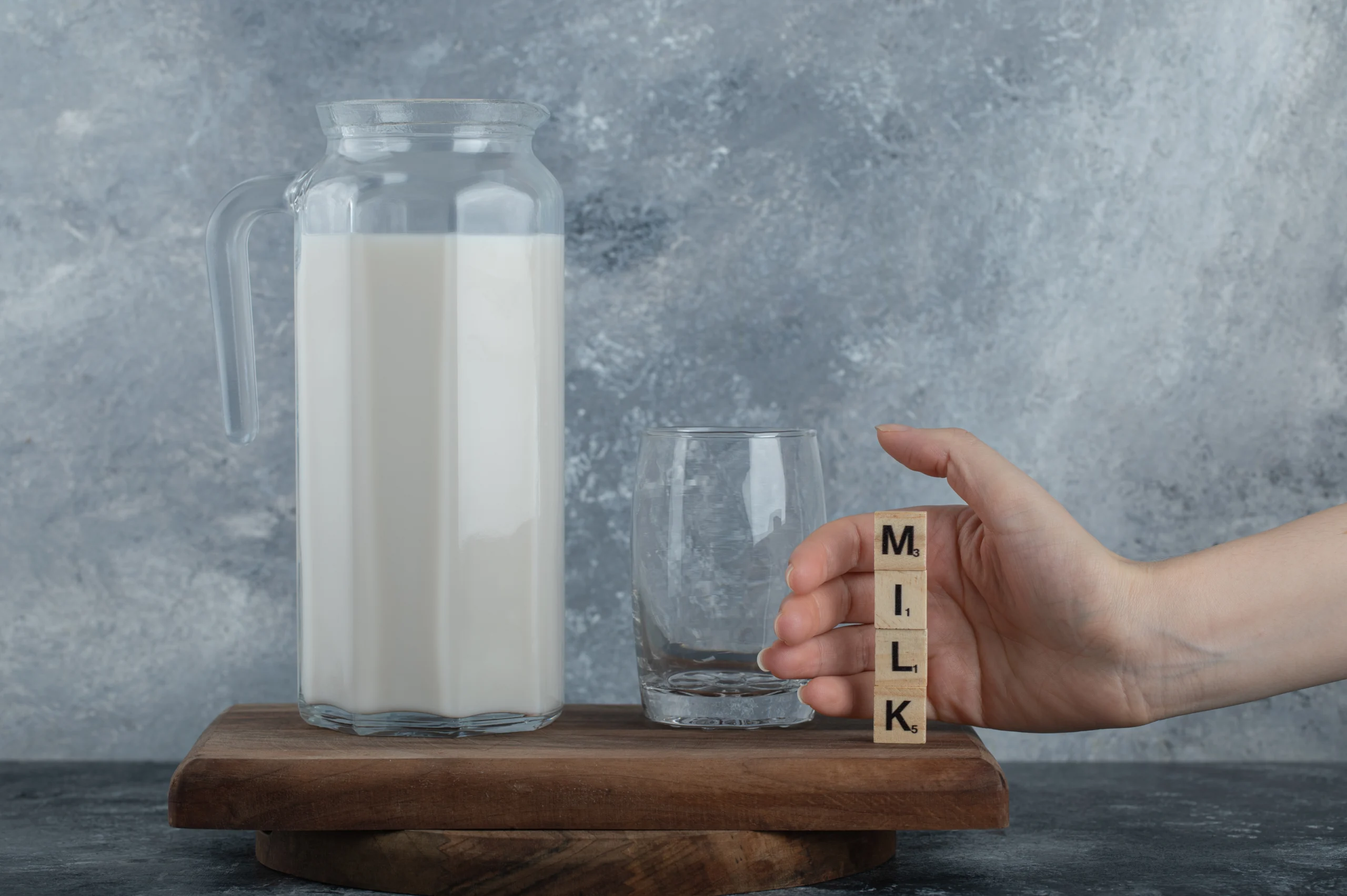
Milk has been an integral part of Indian life for centuries. From early morning chai to bedtime haldi doodh, from religious rituals to festive sweets, doodh holds a special place in our kitchens, customs, and culture. But with changing lifestyles and emerging research, people often ask: Is milk truly healthy for everyone?
Let’s explore the science, traditions, benefits, risks, and how much milk is ideal for daily consumption.
Milk in Indian Households: More Than Just a Beverage
Milk is deeply woven into the Indian way of life:
1. Traditions & Rituals
-
Milk is used in pujas, abhishek, and temple offerings.
-
It symbolizes purity and nourishment.
-
Festivals like Janmashtami, Mahashivratri, and Diwali often involve milk-based sweets.
2. Daily Habits
-
Morning tea or coffee almost always includes milk.
-
Children are encouraged to drink milk daily for growth.
-
Haldi doodh (turmeric milk) is a common home remedy.
-
Most Indian desserts—kheer, rabdi, barfi—use milk as the base.
3. Cultural Belief
For generations, we’ve been taught that milk = health. While that is true to some extent, modern health science adds an important nuance: Milk is healthy… but not for everyone and not in excess.
What Exactly Is Milk?
Milk is a natural, nutrient-rich fluid produced by mammals. Cow and buffalo milk are most commonly consumed in India.
Key Components of Milk
Milk is a complete food containing:
1. Carbohydrates
● Mainly lactose (milk sugar)
2. Proteins
● Casein (80%): Slowly digested, good for growth
● Whey (20%): Easily digestible, supports muscle repair
3. Fats
● Saturated fats, medium-chain fatty acids, and cholesterol
● Buffalo milk is much higher in fat than cow milk
4. Vitamins
● A, D, B2 (riboflavin), B12
5. Minerals
● Calcium, phosphorus, potassium, magnesium
6. Enzymes & Bioactive Compounds
● Immunoglobulins
● Growth factors
Together, these make milk a dense source of nutrition.
Health Benefits of Milk (Detailed)
1. Excellent Source of Calcium & Vitamin D
-
Supports bone growth in children
-
Prevents osteoporosis in adults
-
Helps maintain strong teeth
2. High-Quality Protein
Whey and casein help:
Hence, milk can be beneficial for athletes and active individuals.
3. Good for Heart & Blood Pressure (in Moderation)
Milk contains potassium, which:
Low-fat milk or toned milk is generally better for heart health.
4. Digestive Benefits
Fermented milk products like:
-
Curd
-
Yogurt
-
Chaas (buttermilk)
contain probiotics that improve gut health and immunity.
5. Hormonal Balance & Metabolism
Certain milk peptides help regulate:
-
Stress
-
Sleep
-
Muscle metabolism
Warm milk before bed can help improve sleep quality due to tryptophan.
Potential Harm of Milk (Detailed)
Despite its benefits, milk is not suitable for everyone. Some risks include:
1. Lactose Intolerance
Up to 60–65% of Indians have some degree of lactose intolerance.
This means they lack the enzyme lactase required to digest lactose.
Symptoms:
-
Gas
-
Bloating
-
Diarrhea
-
Stomach cramps
2. Allergies to Milk Protein
Especially casein allergy (more common in children).
Symptoms may include skin rashes, vomiting, wheezing, or digestive issues.
3. Hormones & Antibiotics in Milk
Commercially produced milk may contain:
-
Traces of hormones
-
Antibiotics
-
Chemical residues
These may cause long-term health issues, especially hormonal imbalance.
4. High Fat Content (Buffalo Milk)
Buffalo milk is commonly consumed in India and is:
-
Higher in fat
-
Higher in calories
Excess can lead to:
-
Weight gain
-
High cholesterol
-
Increased heart risk
5. Acne & Skin Issues
Milk proteins (especially whey) can trigger acne in some individuals.
6. Digestive Issues in Some People
Even if not lactose intolerant, some people experience heaviness or acidity after consuming milk.
So… How Much Milk Is Good?
Recommended Intake
For a healthy adult:
But the ideal amount depends on:
-
Age
-
Physical activity
-
Digestive capability
-
Health conditions (diabetes, cholesterol, PCOS, obesity, etc.)
Best Forms of Milk to Consume
1. Toned or double-toned milk
➤ Lower in fat, suitable for daily consumption
2. Cow milk
➤ Easier to digest compared to buffalo milk
3. Curd/Yogurt
➤ Highly beneficial for gut health
4. Buttermilk (Chaas)
➤ Excellent for digestion and hydration
5. Paneer & Ghee (in moderation)
➤ Nutritious but calorie dense
Less Recommended Forms
-
Excessively sweetened milk
-
Milk-based sweets (high sugar + high fat)
-
Milkshakes with ice cream
-
Full-fat buffalo milk for overweight or heart patients
Is Milk Truly Healthy?
Yes — milk can be very healthy. But only when consumed appropriately and only when it suits your body.
It is not a compulsory food for adults, and many people remain perfectly healthy without drinking milk.
Best Practices
-
Prefer cow milk or toned milk
-
Avoid milk if you are lactose intolerant
-
Choose fermented milk products (curd, chaas)
-
Avoid high-sugar milk preparations
-
Listen to your body — if milk causes discomfort, reduce or avoid it
Milk is a traditional powerhouse food in India, but like everything else, moderation and suitability are key.
Written by – Dr Rajkumari Sahane,
PhD – Pharmacologist.